

Adoption

A Loving Home

Providing loving homes and forever families for children in foster care

Children and teens adopted through DABSJ come from the foster care system. This means they have experienced abuse or neglect that caused them to be removed from their home. Our number one goal is reunification, so we do everything we can to work toward returning the child home with their family. Sometimes, that is not possible, and the family cannot provide a healthy and safe home.

When that happens, the court terminates parental rights, and the child becomes available for adoption. DABSJ then considers the child’s relatives and foster parents as potential adoptive parents. When that can’t happen, we look for other loving and permanent families for the children.

A red heart shape on a plain background.

The children waiting for adoption have experienced trauma and difficult situations. They may have special needs. But they also have needs like any other child: to feel safe, to be loved, to have a place to call home.

Two overlapping hearts, one blue and one red.

An Adoption Specialist guides the thoughtful and deliberate process of selecting families for children and assisting the family and child with the transition to the adoptive home. Once the child is in the home, the Adoption Specialist provides support and referral services.

Each adoption journey is unique, but they are all filled with love. If you are looking to add to your family through adoption in Grand Rapids, MI, DABSJ is here to support you.

FAQs About Adoption

Children In Need Of Loving Homes

Each child is different, but they all come from the foster care system and have had to face difficult experiences. They all have mild to severe emotional, behavioral and/or medical needs as a result of the trauma they have experienced. Many children are part of a sibling group that includes older children (ages 8 and up) and are adopted with their siblings. Very few younger children are available for adoption because almost all younger children are adopted by a relative or their foster parent.

• Where are the children available for adoption living now?
All of the children available for adoption are residing in either foster homes, relative homes, or residential facilities.
• What Kinds of Families are Needed for These Children?
The most successful families are patient, able to laugh, consistent, open-minded, open to older children, open to sibling sets and above all are committed. For successful adoptive families, commitment to the child outweighs their expectations.

DABSJ RECOMMENDS THAT YOU BECOME A FOSTER PARENT BECAUSE…

The State of Michigan does not require that all adoptive families become licensed foster parents– however, many do because it is necessary for many children.

  • The transition to adoption is smoother when families foster their intended children first. When children first move into the home for foster care, they bring a higher level of support and services with them. 
  • Children 14 and older are legally required to consent to their own adoptions and they need time with their families before they consent to adoption.
  • When children cannot return home to their birth parents, it is better for them to be adopted by their foster parents to avoid unnecessary moves and losses later on.
  • Many adoption workers across the state will only consider pre-adoptive families that are licensed or have had experience parenting children in foster care.
  • When a family that wants to adopt is already licensed, it allows the child to move to the home sooner. This avoids the need for interim placements, reducing the number of moves for children.

Become A Foster Parent

There are four steps to become a licensed foster parent:

DABSJ IS Here to support you

DABSJ provides all the required training and assessment services in order to become licensed at no charge. Our families complete a training called Pressley Ridge. This training helps families who are facing difficult challenges and complex situations. The ultimate goal is to prevent or reduce a child’s trauma by ensuring they are safe and well cared for by a well-trained parent.

In addition to the trainings, we have an incredible statewide network for adoptive and foster families called AFSN: Adoptive Family Support Network with support groups, events, and more. It’s a great way to connect with families who “get it.” 

Sometimes, foster care workers identify families that need additional support with a placement. A family may be referred to our Enhanced Foster Care program. It is designed with the goal of making each child’s foster home their only placement, providing support that helps child and family through difficult situations.

Financial Support

Adopting a child from foster care has minimal costs only involving court filing fees, cost of a new birth certificate and any cost you would have with ensuring you’ve had a recent physical examination.
Children adopted from the foster care system often qualify for Adoption Assistance/Subsidy. Adoption Assistance/Subsidy provides financial support to the family after adoption (and generally until age 18) that is based on the child’s special needs and on the additional efforts of the parents to meet those special needs. Ongoing Medicaid is part of Adoption Assistance/Subsidy. DABSJ’s Adoption Specialists complete the Adoption Assistance/Subsidy application process on behalf of adoptive families.

Ongoing Medicaid is part of Adoption Assistance/Subsidy. DABSJ’s Adoption Specialists complete the Adoption Assistance/Subsidy application process on behalf of adoptive families.

Who can adopt?

You do not have to be married, own your own home, live in a house, or have a lot of money to adopt. Certain types of criminal history, major mental or physical health concerns, or lack of adequate space for a child, are a few of the factors that may preclude you from adopting. DABSJ is in Grand Rapids, Michigan and serves families in Kent and surrounding counties.

Adoptive Family Support Network

Adoption is a unique way to form a family, and sometimes families need a unique kind of support to make it work. With the Adoptive Family Support Network, we give adoptive and foster parents access to a community of people who can provide answers and share experiences. AFSN supports all kinds of families and all types of adoptions throughout Michigan.

Children Waiting to Be Adopted

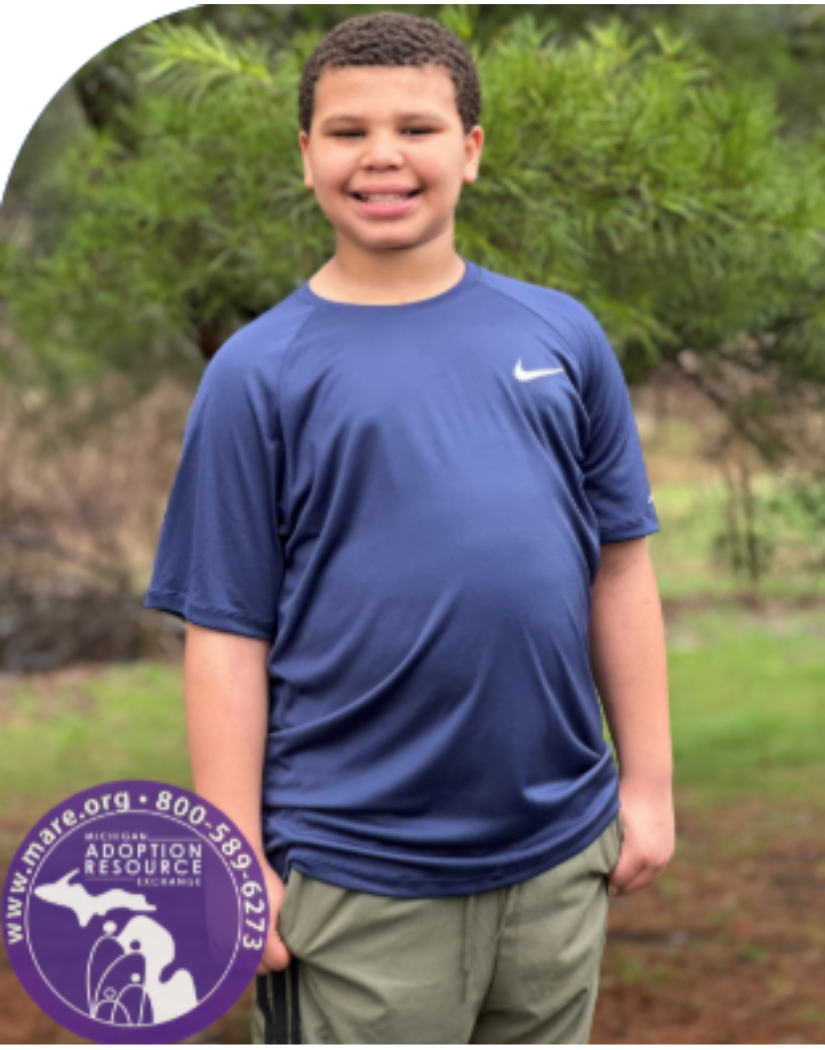
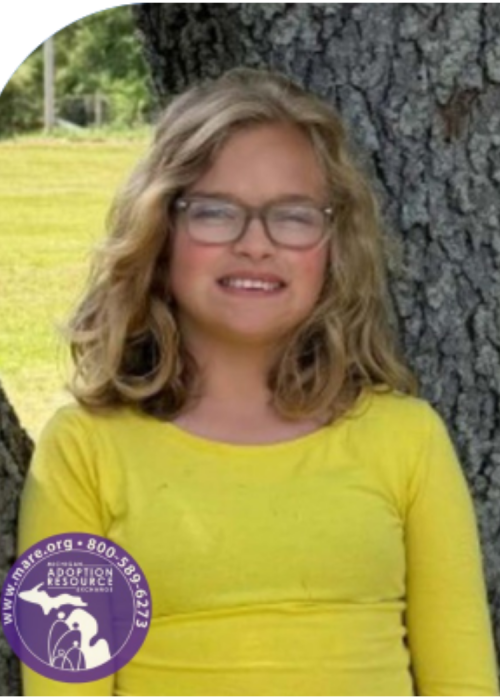
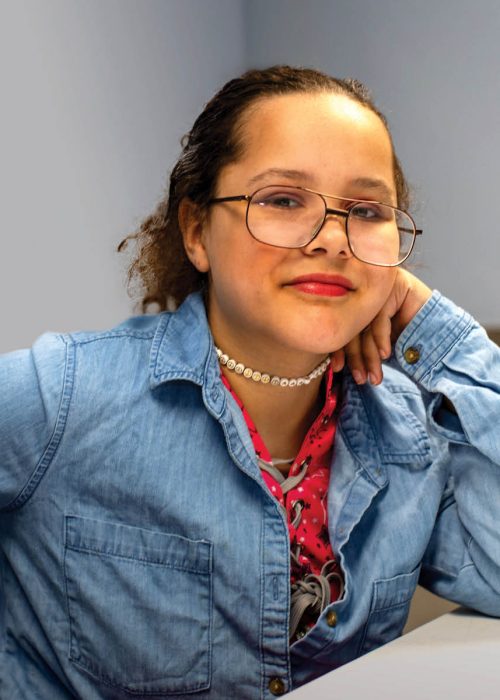
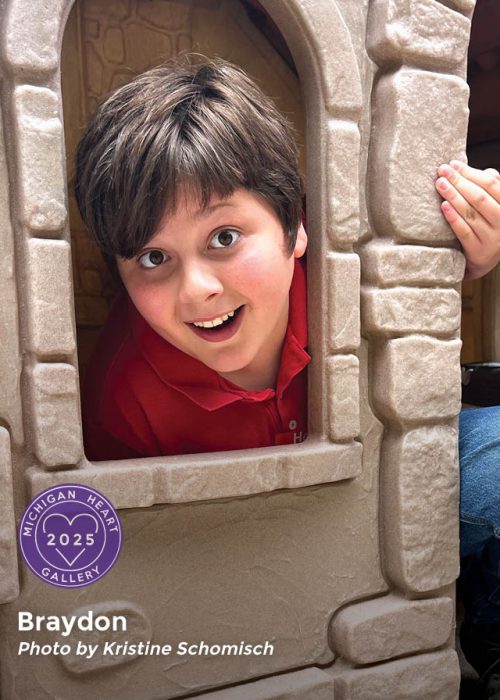
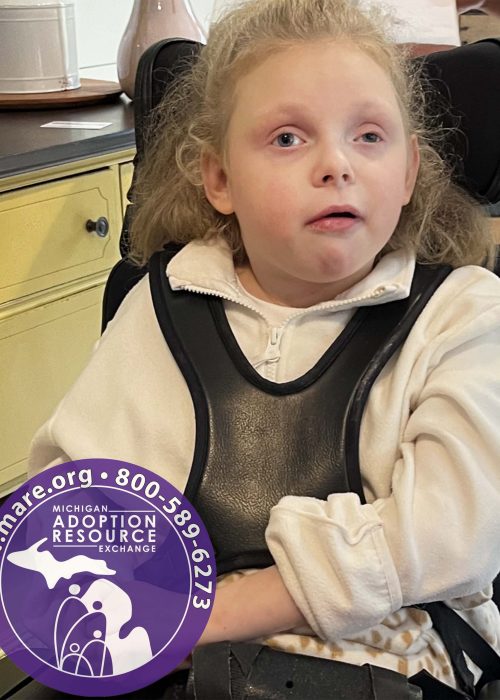
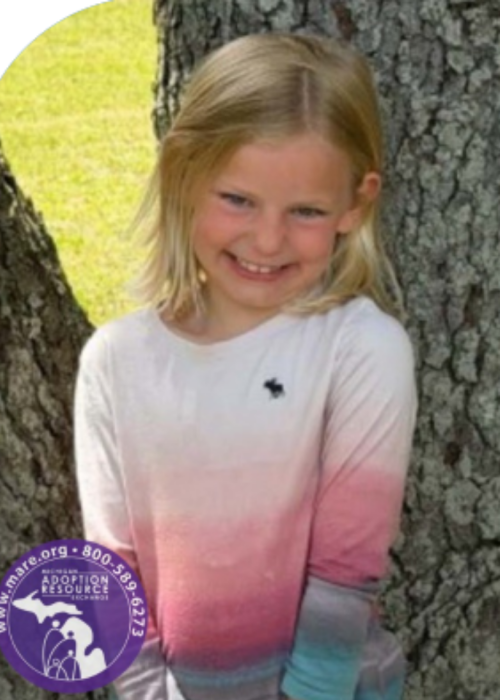
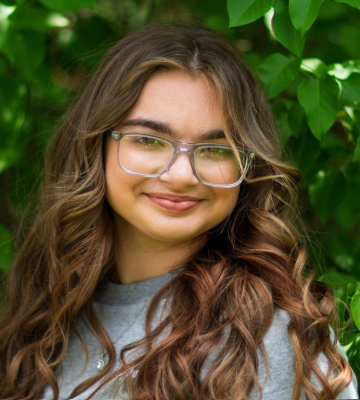
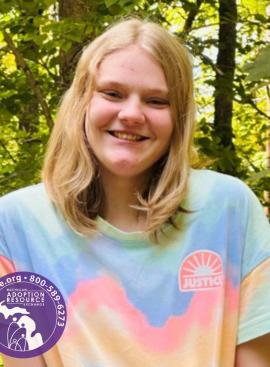
Every day, there are children looking for loving homes and forever families. The children shown below are currently waiting to be adopted. You can learn more about them and their hopes for the future by clicking on their photo. Each child is assigned an adoption specialist who can answer questions about that child’s needs and adoption plan.

Other children in Michigan are waiting for a forever family.

Two stylized figures with a heart above, possibly symbolizing care or support.

Adoption Stories

An elderly person with glasses is sitting on a chair, smiling, with a knitted blanket behind them.

The Impact of Foster Care: A Lifetime of Showing Up

The Lasting Impact of One Foster Parent’s Love “If I could help just one child, my life would be worth living.” That’s what Dianne believed ...
Read More →
A family sits together outside, smiling and relaxed on a sunny day.

All in for Love

A foster family’s journey to forever Marci Geerdes couldn’t sleep. Her mind was a tangle of thoughts – the children that had been family over ...
Read More →
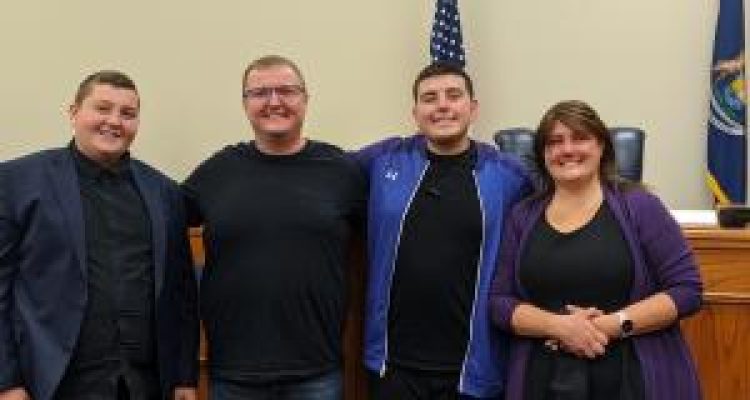
Four people are smiling, standing together in front of a flag and a wooden panel, possibly in a formal setting.

The Best Joy You Can Experience: Teen Brothers Adopted Amid Pandemic

Jason and Kelly Noling both came from very big families. Their parents had multiple siblings, and there were always plenty of aunts, uncles, cousins, and ...
Read More →

Adoption Records

Are you an adult adoptee searching for information from your adoption records or links to your biological family?

Are you a biological family member searching for information on a child placed for adoption?

Adoption records are housed at the Michigan Department of Health and Human Services in Lansing, MI. Birth Parents and siblings can give consent or denial to have information about them released to an adult adoptee who is searching.

Adult adoptees may send a signed letter with your adopted name, names of your adoptive parents, where/when you were adopted, and your date of birth. Please include your return address, phone number, and email address. Also include a copy of your drivers’ license and marriage license if your name is different than your adopted name. Mail to Amber Shaw, Michigan Department of Health and Human Services Central Adoption Registry, PO Box 30037, Lansing, MI 48909.

Former parents may complete a Parent’s Consent or Denial to Release Information to Adult Adoptee – DHS-1919 form.

Adult siblings may file either the  Release of Information to Adult Adoptee by Brother/Sister as Proxy for Deceased Parent – DHS-1918 form or the Adult Former Sibling Statement to Release Information to Adult Adoptee – DHS-1917 form.

For questions related to this, please contact Amber Shaw at MDHHS 517.335.6075.

Interested in Adoption?

Thank you for your interest in providing a safe, loving home for children through DABSJ.

The questions below will help us understand your interests and guide you toward the best next steps. Please note that family reunification is the primary goal of foster care, though foster care can sometimes turn to adoption when it's in the best interest of the child. At DABSJ, our procedure is for all adoptive families to be licensed as foster parents.

-Optional Questions-

DABSJ’s need is for parents who are willing and able to provide care for children 8 and over, as part of a sibling group, with moderate to severe emotional, behavioral and medical needs.

The image shows a logo with the words "All children families individuals" and a rainbow-colored arc below.

DABSJ is inclusive and welcoming – from our team members, to the children we serve, to the families we license as foster parents. You could play a part in providing homes and hope for children who need a place to be themselves.